
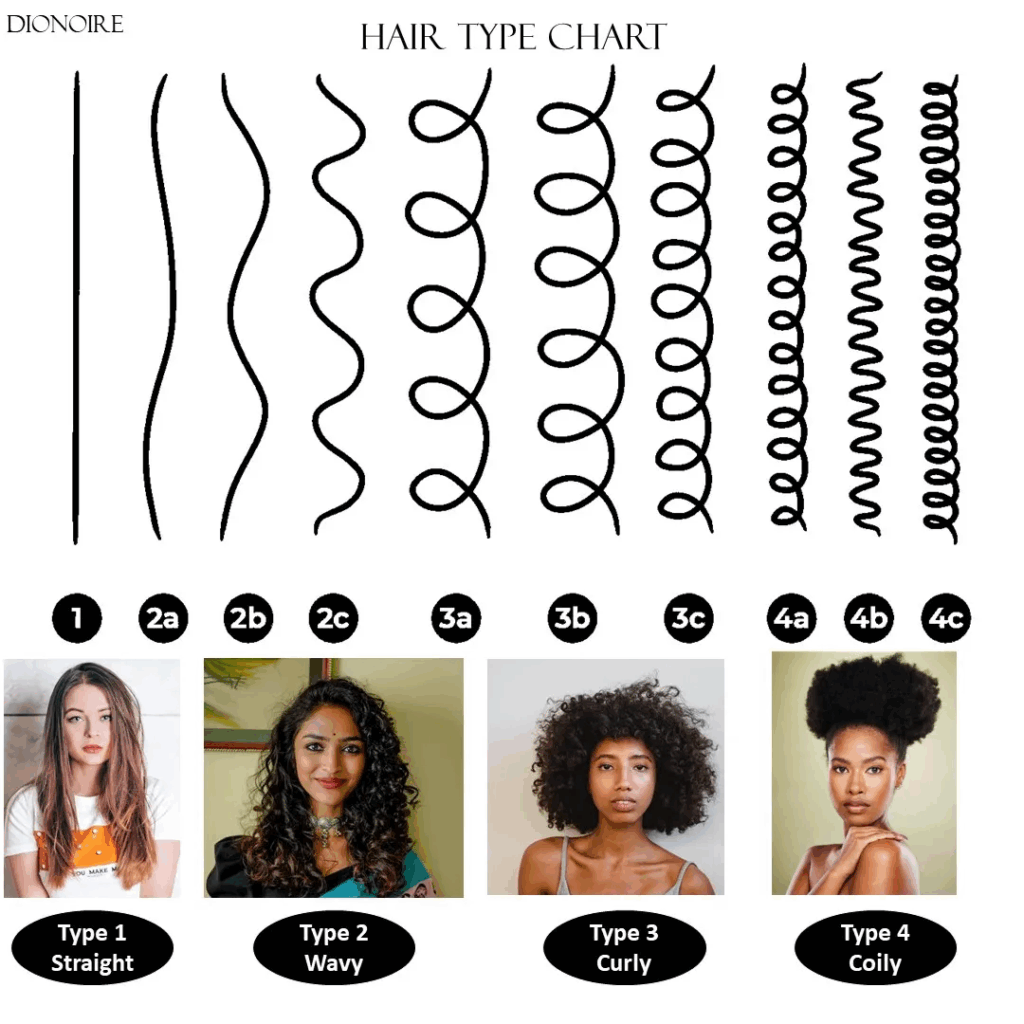
In June 2025, TikTok released a new “Hair Type” feature accessible for users to identify their hair types and textures while making beauty and lifestyle content videos. However, the launch came under public scrutiny when users identified that the feature was missing Type 4 hair, which is also considered as tightly curled or Afro-textured hair (Moody et al., 2022). Many TikTok creators noticed the absence of Type 4 hair and believed that this was representative of the deeper systemic issue of exclusion and underrepresentation of black communities within digital spaces (thefavoritebrandy, 2025). In this case, the response came quickly, as many TikTokers stitched and duetted videos that pointed to the absence of Type 4 hair. Furthermore, the hashtags and captions“#TikTok Do Better” began to circulate on the app, which signified that there was a collective movement caused by the lack of inclusion and representation (Hermanthaa, 2025). While TikTok failed to give any official statement, by July 2025 the feature seemed to have been quietly erased from the app.
At the center of this controversy are ethical issues related to inclusivity, technological accountability, and diversity. TikTok’s oversight is more than a technological lapse; it entails more complex questions about representation in the digital world. Moreover, the stigmatization of Afro-textured hair as “unprofessional,” “unruly,” or “inappropriate” continues to reinforce hair disassociation in media and beauty culture (McWhorter, 2020). TikTok’s critics claim the platform neglected to incorporate the Type 4 hair feature. Further emphasizing that TikTok reinforces these detrimental patterns of hair discrimination and once more frames Afro-textured hair as unworthy of beauty recognition.
This does make one deeply ponder: What ethical obligations lie with technology companies while building features that affect diverse user communities? With more than a billion users, TikTok offers both a creative outlet and a cultural platform. As such, its design choices impact users’ conceptions of identity, belonging, and self-expression. The decision not to include Type 4 hair in the design of the product functions as more than just an omission in design; it indicates the deep-rooted biases in both digital technology and the beauty industry, in which Afro-textured hair has systematically been ignored, erased, or misrepresented (Nkimbeng et al., 2023). This instance demonstrates how social inequities in broader society can become part of the functionalities of a platform and further deepen exclusion while giving the appearance of progress. With that said, the absence of Type 4 hair in TikTok’s design indicates not only an omission of millions of users, but also reflects existing cultural systems which continue to dominate beauty and facial aesthetics defined by Eurocentrism, while dismissing Black identity and its cultural expressions.
Apart from engagement, this case underscores the importance of ethical reasoning regarding representation and cultural diversity in digital settings. Hair is more than an accessory; it is an integral part of one’s culture, an expression of one’s self, and the history behind it runs deep. TikTok’s decision to omit Type 4 hair reinforced social media and beauty standard biases and highlighted the consequences of a culturally uninformed approach to tech design. The speed with which the function was taken down due to public outrage demonstrates the strength of the community criticism in holding the platforms accountable, but it also prompts considerations of ethical responsibility. Should the companies wait until the storm is in the kitchen to guide their approach to inclusion, or should they consider the diverse viewpoints at the beginning of the process? Communication theories on ethics point out that representation is critical to responsible digital design, thus ethical platforms should not wait to be harmed (Millagala, 2023). In digital design and responsibility, fairness and representation are pivotal, indicating that platforms are expected to proactively mitigate harm, not just respond to it.
Ultimately, the TikTok hair type controversy underscores the fact that even small features of a platform can have serious ethical implications. Ethical choices regarding inclusion, representation, and the visibility of people in digital resources affect communities, user interactions and the overarching social discourse. For technology companies, ethical responsibility goes beyond compliance and public relations; it is proactive and entails ensuring that all users are acknowledged and respected in the construction of features that shape their identity.
Discussion Questions
- What are the ethical responsibilities of technology companies in ensuring inclusivity and representativeness in all aspects of their digital products?
- What does the omission of Type 4 hair tell us about systemic biases in platform design?
- What role does community consultation play in avoiding ethical pitfalls during the development of a digital product?
- What strategies can platforms implement to foster innovation while engaging a diverse user base?
- In what ways might reactive responses to public backlash fall short of genuine ethical responsibility and accountability?
References
Dionoire. (2024, September 5). [Hair texture chart illustrating how to determine your hair type]. In How to determine your hair type & hair texture chart. Dionoire. Retrieved September 4, 2025, from https://www.dionoire.com/how-to-determine-your-hair-type-hair-texture-chart/
Hermanthaa. (2025, July 29). I need @TikTok to come to the front now and explain what happened here 🤨 #naturalhair #type4hair [Video]. TikTok. https://www.tiktok.com/@hermanthaa/video/7521462421412646200
McWhorter, C. (2020). Black hair in the media: Racial portrayals are more than skin deep. Communication Teacher, 35(1), 1–6. https://doi.org/10.1080/17404622.2020.1807033
Millagala, N. (2023). Towards a self-directed ethical framework for digital communication, fostering responsible engagement in social media and digital media. SSRN Electronic Journal. https://doi.org/10.5281/zenodo.8167011
Moody, S. N., van Dammen, L., Wang, W., Greder, K. A., Neiderhiser, J. M., Afulani, P. A., Willette, A., & Shirtcliff, E. A. (2022). Impact of hair type, hair sample weight, external hair exposures, and race on cumulative hair cortisol. Psychoneuroendocrinology, 142, 105805. https://doi.org/10.1016/j.psyneuen.2022.105805
Nkimbeng, M., Malaika Rumala, B. B., Richardson, C. M., Stewart-Isaacs, S. E., & Taylor, J. L. (2023). The person beneath the hair: Hair discrimination, health, and well-being. Health Equity, 7(1), 406–410. https://doi.org/10.1089/heq.2022.0118
thefavoritebrandy [@thefavoritebrandy]. (2025, June). Hair type feature [Video]. TikTok. https://www.tiktok.com/@thefavoritebrandy/video/7520065806303038775