COVID-19
Ethics Case Study Overview
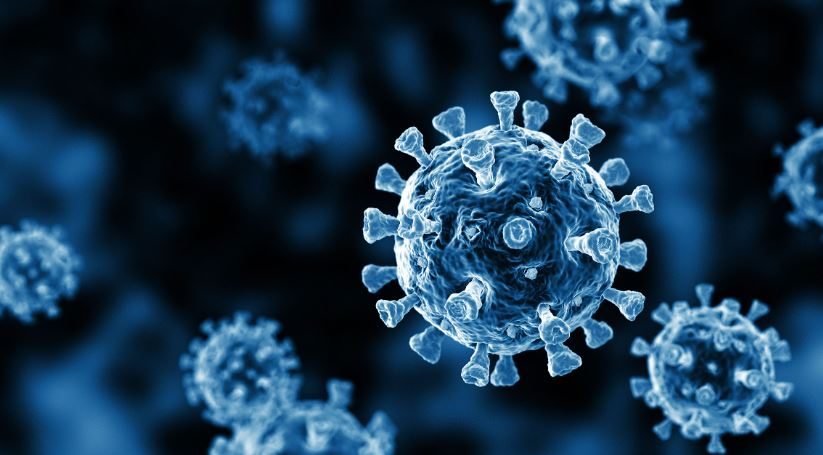
The coronavirus disease 2019, also known as COVID-19, created an unprecedented pandemic that sparked increased use of social media to consume emerging information. According to Yuce et al. (2021), COVID-19 was first reported in Wuhan, China, in December 2019, which then rapidly spread worldwide to approximately 14 million cases and 582,000 deaths by July 2020. The topic of exploring the ethical dimensions of social media communication during the COVID-19 pandemic is proposed to assess the effectiveness of translating accurate, credible, and transparent infection information as it emerged. The COVID-19 pandemic impacted the economy drastically; many organizations switched quickly to remote work operations. This drastic change required that many employees, such as healthcare analysts, changed their work routines and began operating remotely with online tools.
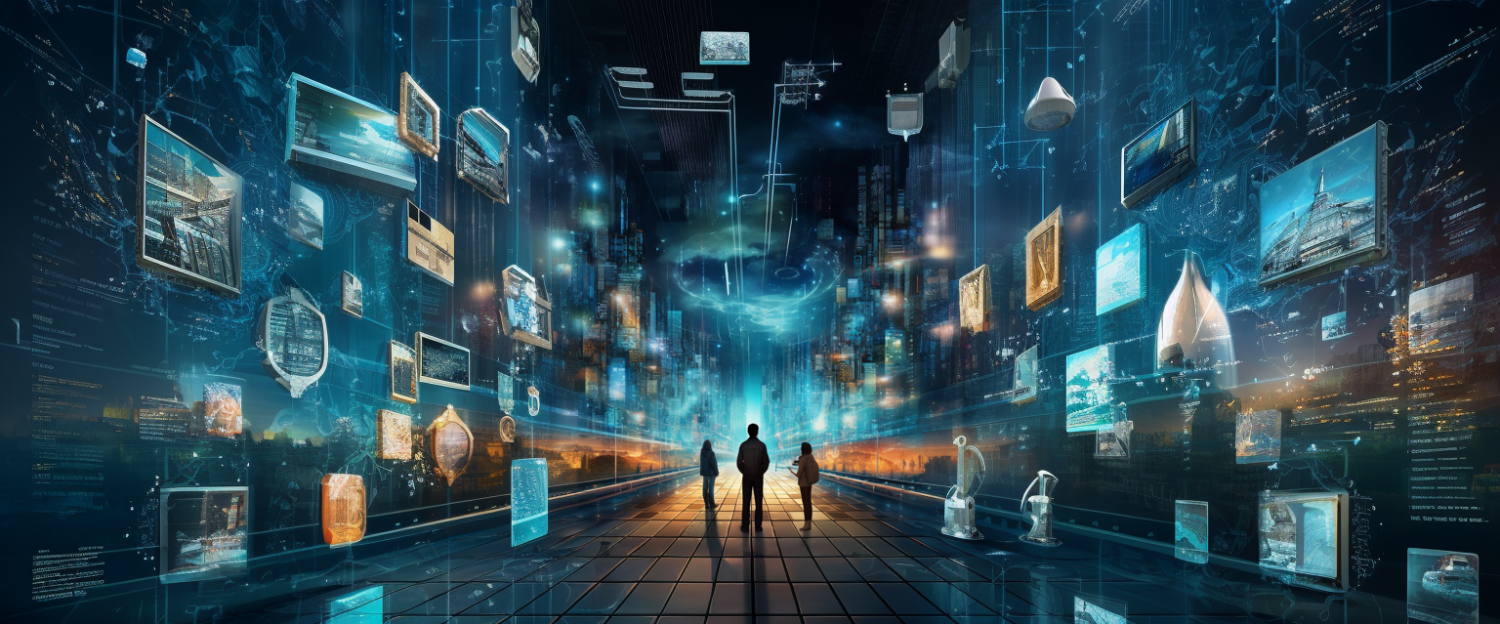
The COVID-19 pandemic created a large lockdown; this led to many individuals constantly looking toward social media for real-time updates during an unprecedented period. According to Butt et al. (2023), studies reveal that the COVID-19 pandemic has accelerated the shift from academic and professional settings to online channels, which has resulted in increased use of social media platforms for information exchange. There were massive amounts of content being created surrounding COVID-19 during the pandemic. Misinformation on social media platforms was a persistent challenge.
The COVID-19 pandemic led to a surge in social media activity, much of which was inaccurate or misleading, as celebrities and social media influencers frequently amplified harmful opinions and analyses that exacerbated this issue (Topf & Williams, 2021). Healthcare institutions had the obligation to convey newly developing disease information as subject matter experts. In addition, social media platforms struggled to reduce misinformation content, while not overly censoring information that was accurate. The public also had the obligation to not develop content with inaccurate information, driving views and misinformation through clickbait or topic discourse.
Another social media consideration are the algorithms used to promote certain information, which could unintentionally increase views of inaccurate information. Social media platforms use algorithms that filter content based on user content consumption and interaction, which can influence the information retrieved during use (González-Padilla & Tortolero-Blanco, 2020). Social media platforms offer limited content restrictions in validating misinformation, which creates a need for implementing additional methods of monitoring through technologies and human auditing to ensure inaccurate content is limited while not overly restricting the user experience. Developing clear and transparent policy on misinformation and the accountability of users publishing content as factual can further improve the accuracy of information presented on platforms.
Discussion Questions
- How did the COVID-19 pandemic impact your use of social media? Are you more or less trusting of content published on social media post-pandemic?
- How can health institutions collaborate with social media platforms to help spread accurate information regarding public health? Are you more trusting of social media content created by healthcare organizations?
- Should social media platforms be more transparent about their feed algorithms? Should algorithms automatically censor inaccurate information or does that potentially infringe on freedom of speech?
- What level of obligation do healthcare professionals have to transparently offer accurate information on newly emerging diseases?
- How does the incentive for content interaction influence creators during the publishing process? Does controversial information tend to get more engagement that more mainstream information?
References
Butt, M., Malik, A., Qamar, N., Yar, S., Malik, A., & Rauf, U. (2023). A survey on COVID-19 data analysis using AI, iot, and social media. Sensors, 23(12), 5543. https://doi.org/10.3390/s23125543
González-Padilla, D., & Tortolero-Blanco, L. (2020). Social media influence in the COVID-19 pandemic. International Braz J Urol, 46(1), 120–124. https://doi.org/10.1590/s1677-5538.ibju.2020.s121
Topf, J., & Williams, P. (2021). COVID-19, social media, and the role of the public physician. Blood Purification, 1–7. https://doi.org/10.1159/000512707
Yuce, M., Filiztekin, E., & Ozkaya, K. (2021). COVID-19 diagnosis: A review of current methods. Biosensors and Bioelectronics, 172, 112752. https://doi.org/10.1016/j.bios.2020.112752
Great topic on a really explosive and divided area of discussions. On one hand we have access to more information, and unfiltered information, than ever before. But is this always a good thing? Your case study questions are clear and concise and I am looking forward to getting to read the full study. I think this topic is so relevant when we are discussing media literacy. How do we improve discernment between actual facts and opinions when we are bombarded with information from creators who are working from opinions and barely any research? These are all very important topics and things that everyone should be invested in.